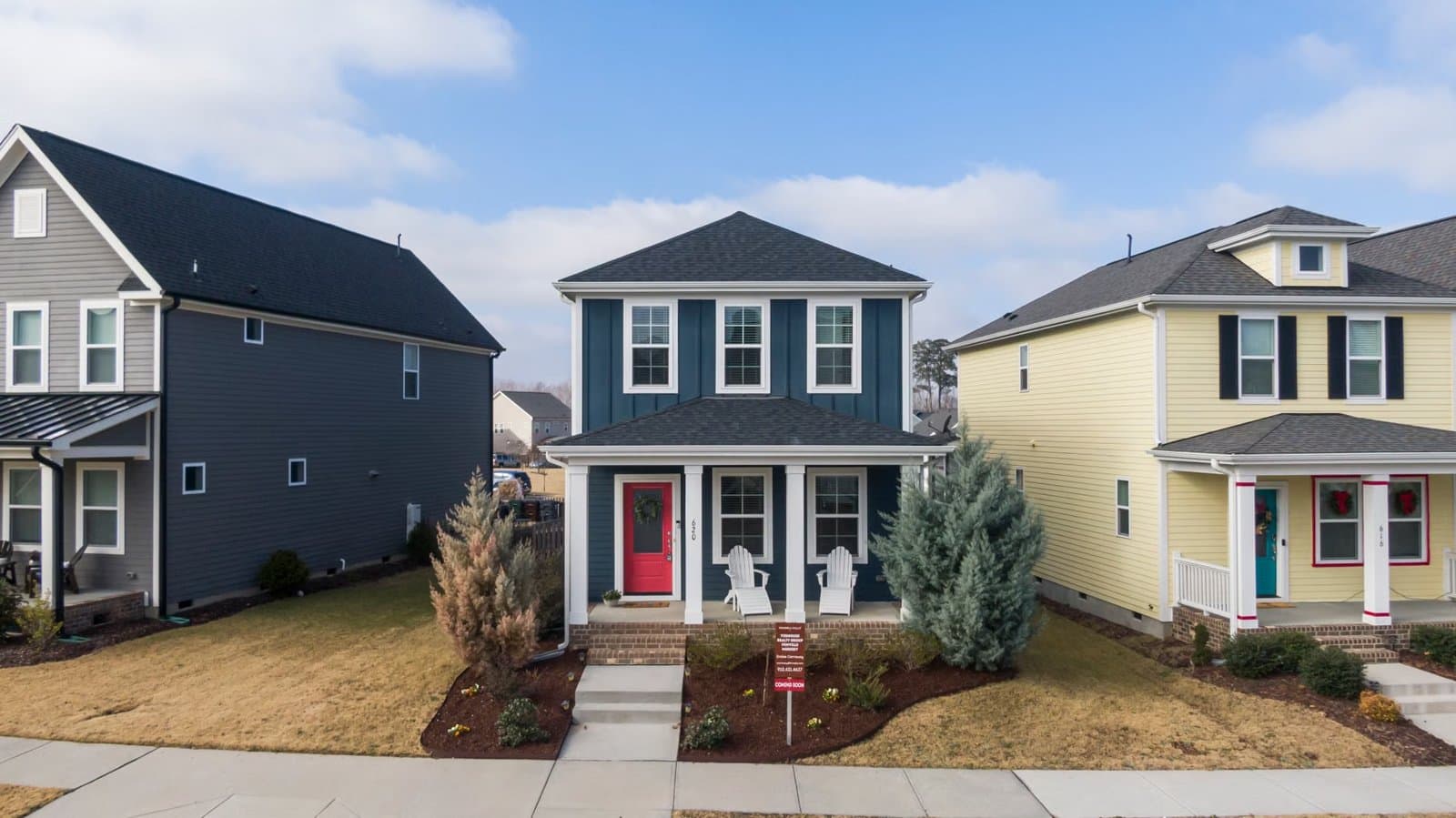

Watertown's Residential Tax Exemption Could Cut Thousands Off Your Tax Bill: What Homeowners Need to Know
Key Takeaways
•The discount is not automatic. According to Griffin Funding's July 2026 statewide review, Watertown's residential exemption isn't applied for you like a coupon at checkout. You must file with the Board of Assessors and prove you live in the home.
•The savings are large. A Greater-Boston FY2026 buyer tax guide lists residential exemption tax savings of $3,961.52 per qualifying owner.
Watertown FY2026 Property Tax Snapshot
Key FY2026 Watertown residential exemption details for owner-occupants, including rate, excluded value, annual savings, and monthly escrow impact.
Tax Rate
FY2026 tax rate$12.20
Residential Exemption
FY2026 exemption value (exclusion)$324,715
FY2026 tax savings (qualifying owner-occupants)$3,961.52
Monthly Budget Impact
Approximate monthly escrow savings~$330/month
•Miss the deadline and you lose the whole year. There are no do-overs and no retroactive credits. You pay the higher bill.
•The bottom line: Confirm the exemption is on your account now, and verify the current filing deadline and required documents directly with the Watertown Assessor.
Why Doesn't This Discount Show Up on Its Own?
Most Watertown homeowners assume the residential exemption just shows up on the tax bill. It doesn't. Skip the application step, and you can lose a full year of savings.
A Watertown News report puts FY2026 homes with the exemption at an average of $7,363 in taxes, versus $11,328 for homes without it — a gap of nearly $3,965. These are news-report averages, not the Assessor's confirmed per-household figures.
Average Watertown Residential Tax Bill: Before vs. After Exemption
Watertown News figures showing how the 35% residential exemption changes the average FY2026 residential tax bill and how much the exempted bill still rises.
Before Residential Exemption
Average residential tax bill (FY2026)$11,328
Residential Exemption
Savings from residential exemption (average)$3,965
After Residential Exemption
Average tax bill with residential exemption$7,363
Increase amount for exempted average bill$476
Increase percentage for exempted average bill6.9%
For your household budget, that's not a rounding error.
Timing matters now. FY2026 quarterly bills started arriving in July, with preliminary payments due August 1 and November 1. If you recently bought, refinanced, or changed occupancy, your account may not reflect the exemption yet.
How Does Watertown's Residential Exemption Work?
Watertown uses the state's local-option residential exemption, as noted in Griffin Funding's July 2026 statewide review. Here's the plain-English version.
The City removes a fixed portion of your assessed value — the dollar figure the town assigns your home for tax purposes — before calculating your residential tax. A Greater-Boston FY2026 buyer tax guide lists the exemption value exclusion at $324,715, putting the resulting tax savings at $3,961.52 per qualifying owner. To qualify, per Griffin Funding's statewide review, you generally must own the home and live in it as your principal residence.
The key point: this exemption is not automatic. You must file with the Board of Assessors.
Online, the mood among owners is anxious about exactly this. As one homeowner put it: "The residential exemption does need to be checked on every year."
What Should You Do Before the Deadline?
Here's a simple checklist:
1. Pull your current tax bill. Look for a residential exemption line.
2. Confirm owner-occupancy as of the January 1 assessment date. Your FY2026 value reflects the market as of January 1, 2025.
3. Gather proof of principal residence. Examples may include your deed, driver's license, or voter registration — but confirm the current list with the Assessor.
4. File the application with the Watertown Board of Assessors by the deadline printed on your bill.
5. Recheck it each year, since the exemption can drop off if your ownership or residency status changes.
If you carry a mortgage, check your escrow statement too — the account your lender uses to hold and pay your property taxes. If the exemption is missing there, your lender may be collecting too much each month.
What Could Complicate Your Application?
Two objections deserve a straight answer.
First: this guide can't give you the exact deadline or a definitive document list. The Town controls both, and they can change. The document examples above are illustrative, not authoritative. Confirm the current deadline and required paperwork directly with the Watertown Assessor before you file.
Second: following this checklist could get a recent buyer denied. Eligibility hinges on principal-residence status as of the January 1 assessment date. Close after that date, and you likely weren't the owner-occupant on record — meaning denial for this fiscal year is possible. New buyers should confirm eligibility for the correct fiscal year with the Assessor before filing.
What Is the Bottom Line for Watertown Homeowners?
A Greater-Boston FY2026 buyer tax guide puts the residential exemption tax savings at $3,961.52 per qualifying owner — one of the biggest breaks available to owner-occupants. But it won't apply itself.
Pull your tax bill, confirm the exemption is listed, gather your proof of residency, and call the Watertown Board of Assessors before your next quarterly payment comes due.