
Key Takeaways
•The assumption to test: Moving beyond Route 128 does not automatically mean paying less. Condo-heavy Boston and suburban single-family houses on land are different products at different prices.
•The hidden edge: Boston's effective property tax rate on owner-occupied homes — the share of a home's value actually paid in tax each year — is 0.51%, fifth lowest among 53 major U.S. cities.
•The catch: Boston is not a growth story. Realtor.com's July 2026 data shows Boston-area starter-home list prices down 4.1% year over year, and the tax edge is a 2026 condition, not a 10-year guarantee.
•The bottom line: Compare total monthly carrying cost — mortgage, taxes after any exemption, insurance, heat, commuting — not headline list prices.
Why doesn't leaving Boston automatically cost less?
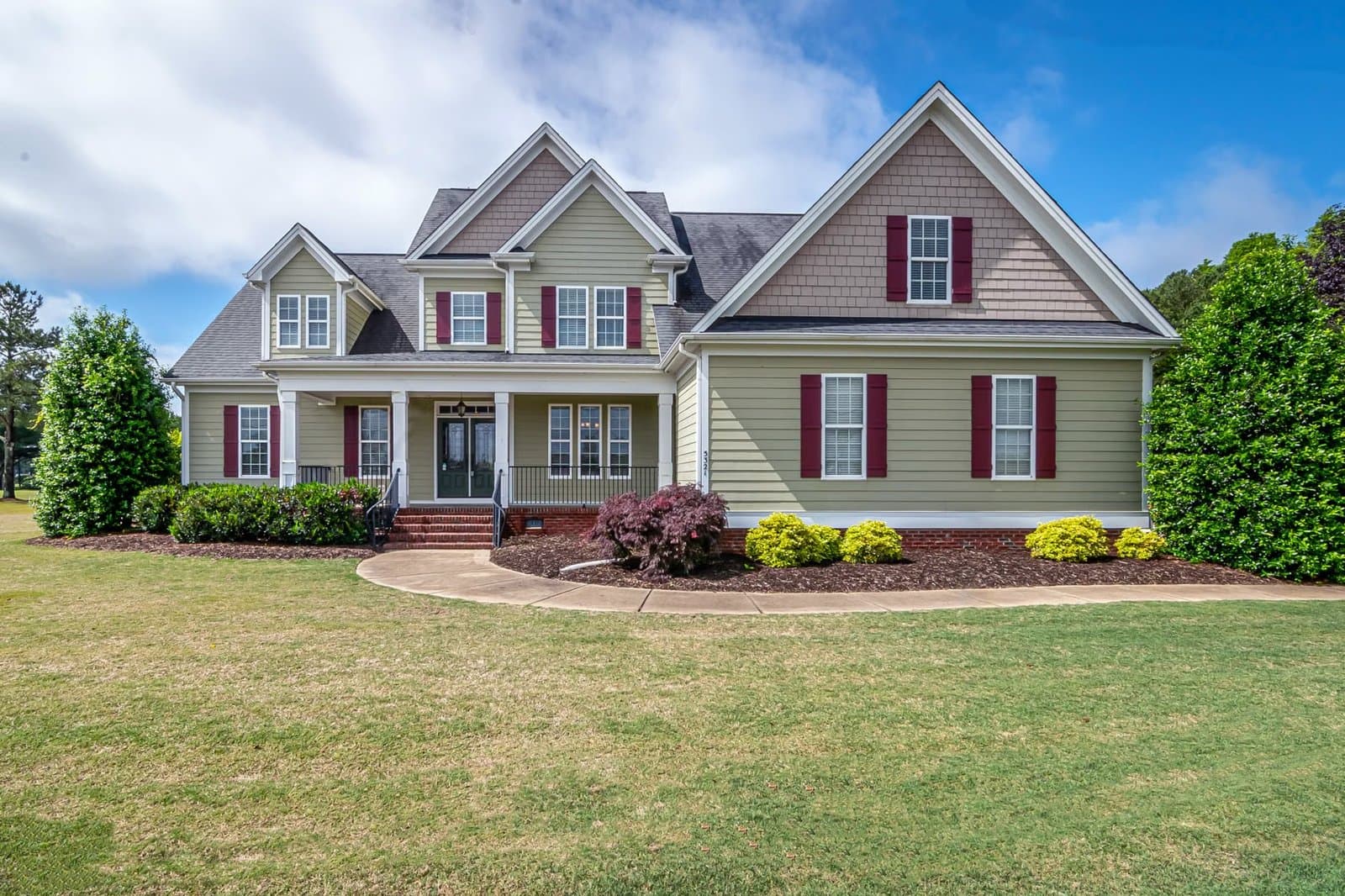
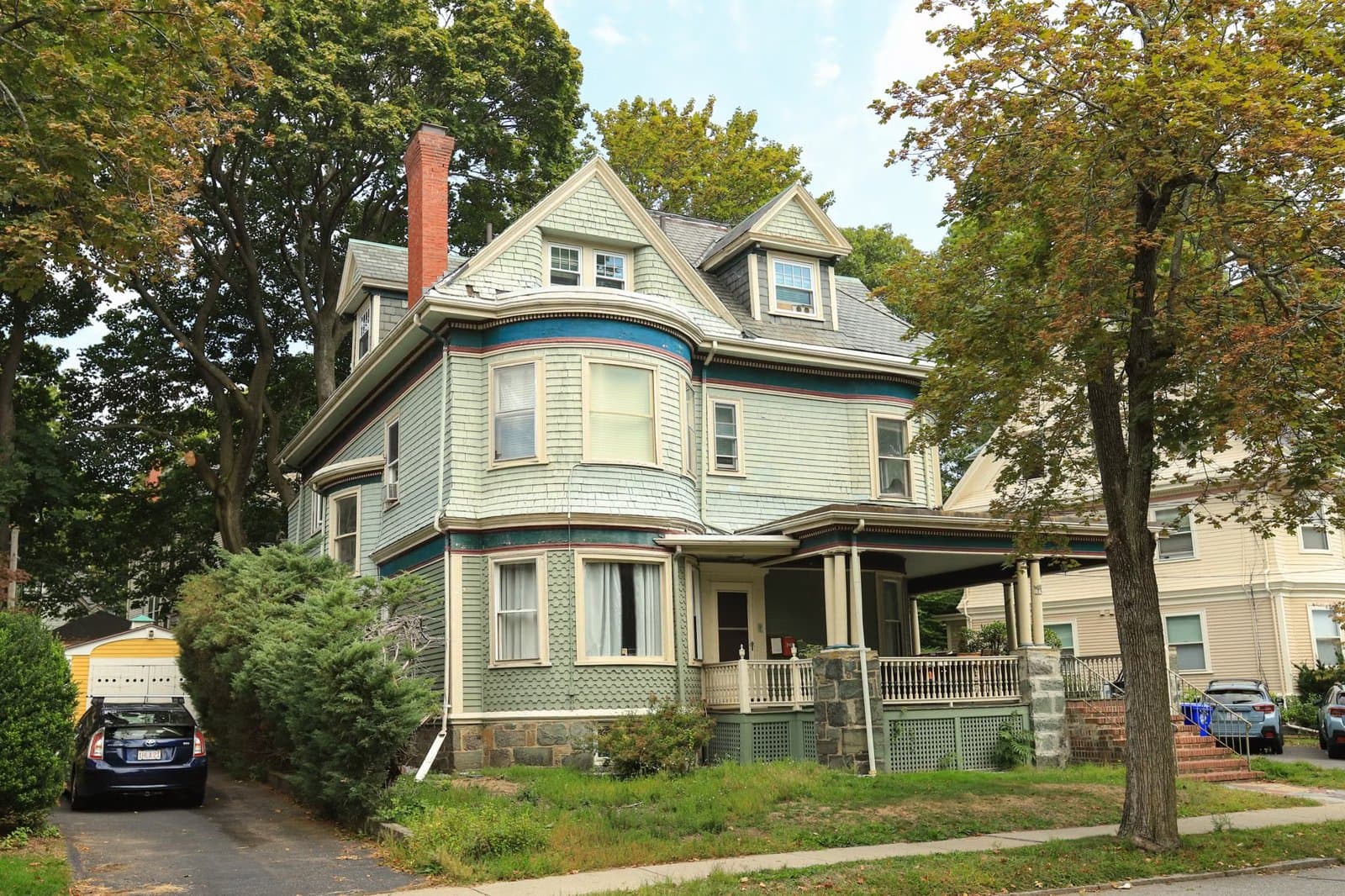
You may still assume that moving past Route 128 buys more space for less money. In 2026, that is often not true. Boston's for-sale listings are mostly condos. Suburban listings are mostly larger single-family homes with yards, and in towns like Newton and Wellesley that carries a real premium. So the comparison is not the same house in two places. It is two different products.
Financing makes any price difference expensive. Freddie Mac reported that the 30-year fixed-rate mortgage averaged 6.67% as of August 13, 2026, down from 6.69% the week before.
Is staying in Boston actually cheaper month to month?
For many buyers, yes. The Lincoln Institute of Land Policy's 50-State Property Tax Comparison puts Boston's effective rate on owner-occupied primary homes at 0.51%. That is fifth lowest among 53 major U.S. cities and less than half the national average. Boston also offers a residential exemption, a discount for owners who live in the home they own. Ask the city's Assessing Department what it would cut from a specific bill.
Boston is not a growth play, though. Realtor.com's July 2026 data shows Boston-area starter-home list prices down 4.1% year over year. Buying a starter home costs $4,669 a month against $2,939 to rent. Softer list prices can signal weaker demand as much as opportunity. Boston's case is cost control and location, not appreciation.
What does a suburban budget actually buy?
Land, school access, privacy, and single-family housing that is hard to find inside the city. But the suburbs are not one market. Newton and Greater Boston neighborhood listing guides — asking prices, not recorded sales, and mixing houses with condos — put Chestnut Hill near $2.85M and Newton Lower Falls near $685K. "Buying in Newton" can mean wildly different budgets.
Newton Village Housing Prices: Selected Areas
Compares reported home or condo price figures for selected Newton villages and neighborhoods.
| Series | Label | Value |
|---|---|---|
| Listed home or condo price | Chestnut Hill | $2.85M |
| Listed home or condo price | Auburndale | $1.55M |
| Listed home or condo price | Newton Highlands | $1.2M |
| Listed home or condo price | Newton Centre | $720K |
| Listed home or condo price | Newton Lower Falls | $685K |
Then look past the mortgage. Energy is up 16.0% over the 12 months ending July 2026 and gasoline 30.5% across the whole Boston metro, city and suburbs alike. What differs is exposure: more square feet to heat and a longer drive mean you absorb more of the same increase.
Boston Metro 12-Month Inflation by Selected Category, July 2026
Compares selected Boston-Cambridge-Newton CPI category changes for the 12 months ending July 2026.
| Series | Label | Value |
|---|---|---|
| 12-month change ending July 2026 | All items (CPI-U) | 3.7% |
| 12-month change ending July 2026 | All items less food and energy | 3.0% |
| 12-month change ending July 2026 | Energy | 16.0% |
| 12-month change ending July 2026 | Gasoline | 30.5% |
| 12-month change ending July 2026 | Food | 3.1% |
| 12-month change ending July 2026 | Food at home | 3.2% |
| 12-month change ending July 2026 | Food away from home | 2.8% |
| 12-month change ending July 2026 | Dairy and related products | -2.9% |
And never skip the inspection — ask your agent to confirm the current Massachusetts rules on inspection waivers before you sign an offer.
What are the strongest arguments against this?
Isn't this apples to oranges?
Partly, yes. Boston's median is dominated by condos and the suburban median by houses on land, so the two markets sell different things. Per square foot, a Boston condo usually costs more. The suburban premium buys size and land, not a cheaper square foot.
Aren't list prices different from sale prices?
Yes, and it matters. A list price is what a seller hopes to get, not what a buyer paid for a home that actually sold. Boston's headline figures are asking prices, so they may overstate what buyers are really paying — and suburban asking prices carry the same risk. Ask your agent for the last three months of closed sales in every town you are considering before drawing conclusions.
Could Boston's tax advantage change?
Yes. Boston taxes commercial property at a higher rate than homes, and that split is politically contested. Each year the city votes on how much of the tax bill businesses carry versus homeowners. If commercial owners win relief, homeowner bills rise. Treat Boston's tax edge as a 2026 advantage, not a 10-year promise, and ask for the actual tax bill on any home you tour.
What move makes sense this fall?
If you need space and schools, look past the most expensive Route 128 towns toward towns a few miles further out, where single-family prices are lower. If you want steadier monthly costs, Boston's low tax burden works in your favor even without price growth. Either way, price the full monthly carrying cost — mortgage, taxes after any exemption, insurance, heat, repairs, and commuting — before you make an offer.